Paris is Burning (1990) directed by Jennie Livingston is an indisputably important film for the queer community. Centered around the Drag Ball scene in New York City in the late 1980s and early 1990s, this documentary follows the lives of the queers involved in the scene at the time. Livingston interviews a rang of characters, from the most prolific drag queens and mothers of the houses to random queers on the street. This gives a broad and in depth view of the drag scene at the time Paris is Burning was filmed.

However, while most view Paris is Burning as a queer cultural staple, not everyone agrees. There is controversy, that still continues to be debated today, over whether Pair is Burning disregards race or not. bell hooks is one of the most vocal critics. In her essay “Is Paris Burning?” she tackled what she believes to be the problematic aspects of the film. She brings up the theory of how black men are actually sustains sexism and racism. She says this is because black men are over sexualized. Thus, “appearing as a ‘woman’ within a sexist, racist media was a way to become in ‘play’ that ‘castrated’ silly childlike black male that racist white patriarchy was comfortable having as an image in their homes”. She continues to criticize the physical and financial desires of the drag queens. At one point, Venus Extravaganza explicitly states she would like to be a “rich white girl”. hooks calls this instead an “obsession with an idealized fetishized version of femininity that is white” and chastises it for not including a critique of the white, heterosexist patriarchy.
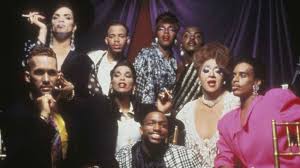
On the other hand, Daniel Contreras is in favor for the racial intersectionality provided in the film. Contreras argues that it is not harmful for the queens to idolize a traditionally white standard of beauty. In fact, he claims that “the ability of queer people to fashion and refashion identities and practices that may only superficially resemble heterosexual constructs” is something to be celebrated. In addition to this, he brings up the fact that there is “not one person is marked visibly as white” in the film at all. Thus, “the racial and class dynamics of the performers that gave the film its gravity” and was in fact intrinsically intersectional. In addition to these facts, Contreras argues that overall the film is “primarily symbolic of the social order, and therefore, too elusive to provide evidence of reactionary politics”.
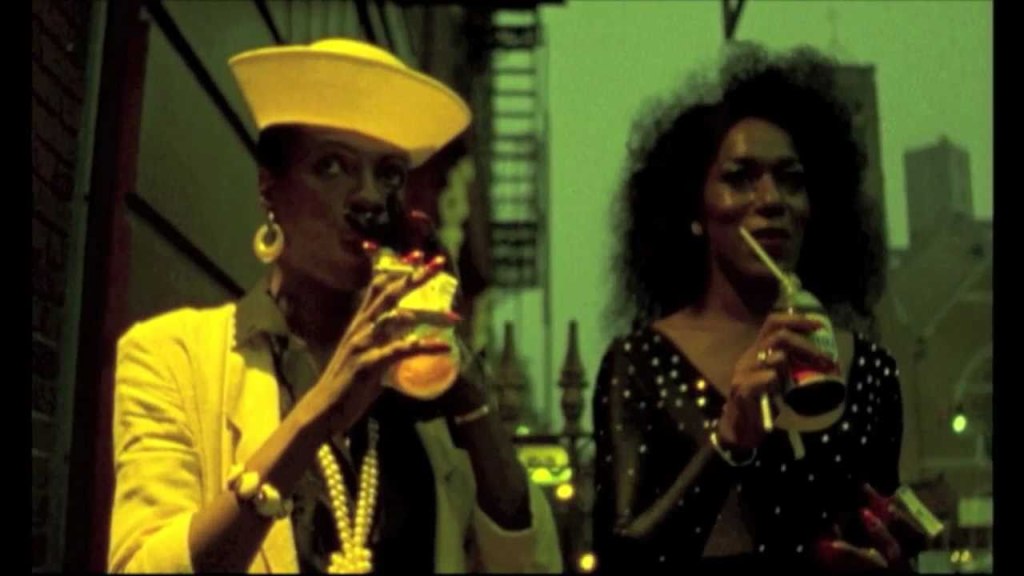
I actually agree with Contreras. Granted, it is easier to agree with him today than it would have been to agree with him when this film first came out. In the article, Contreras also speaks about how race becomes a “signifier of utopian longings”. I fully agree with this quote. I believe that when Venus said she wanted to be a rich, white girl, it is the essence of that stereotypical caricature. The desire truly manifests itself in the way someone holds herself, the way someone is financially supported, the way someone is desired. Not the actual factor of being white. I agree with Contreras on this point when he says that “in Paris is Burning, it is not just gender that is being de-naturalized, but race as well”. When looked at in this light, this desire to be a “rich white girl” and the larger presentations as a whole can even been seen as subversive.
 Sarah Klotz
I find your views on Venus’s mentioned desire to be a “rich, white girl” along with that topic of desired “whiteness” very enlightening. When I watched the film, I perceived these things as much more toxic and unfortunate sentiments. But you expanding about how these ideas and concepts are actually just contributing to a “caricature” was very constructive to read. I really enjoyed reading how you understood these elements because now I feel I have a more rounded understanding rather than just my perspective.
LikeLike